
Takeaways from our VC AMA with Jordan Wan
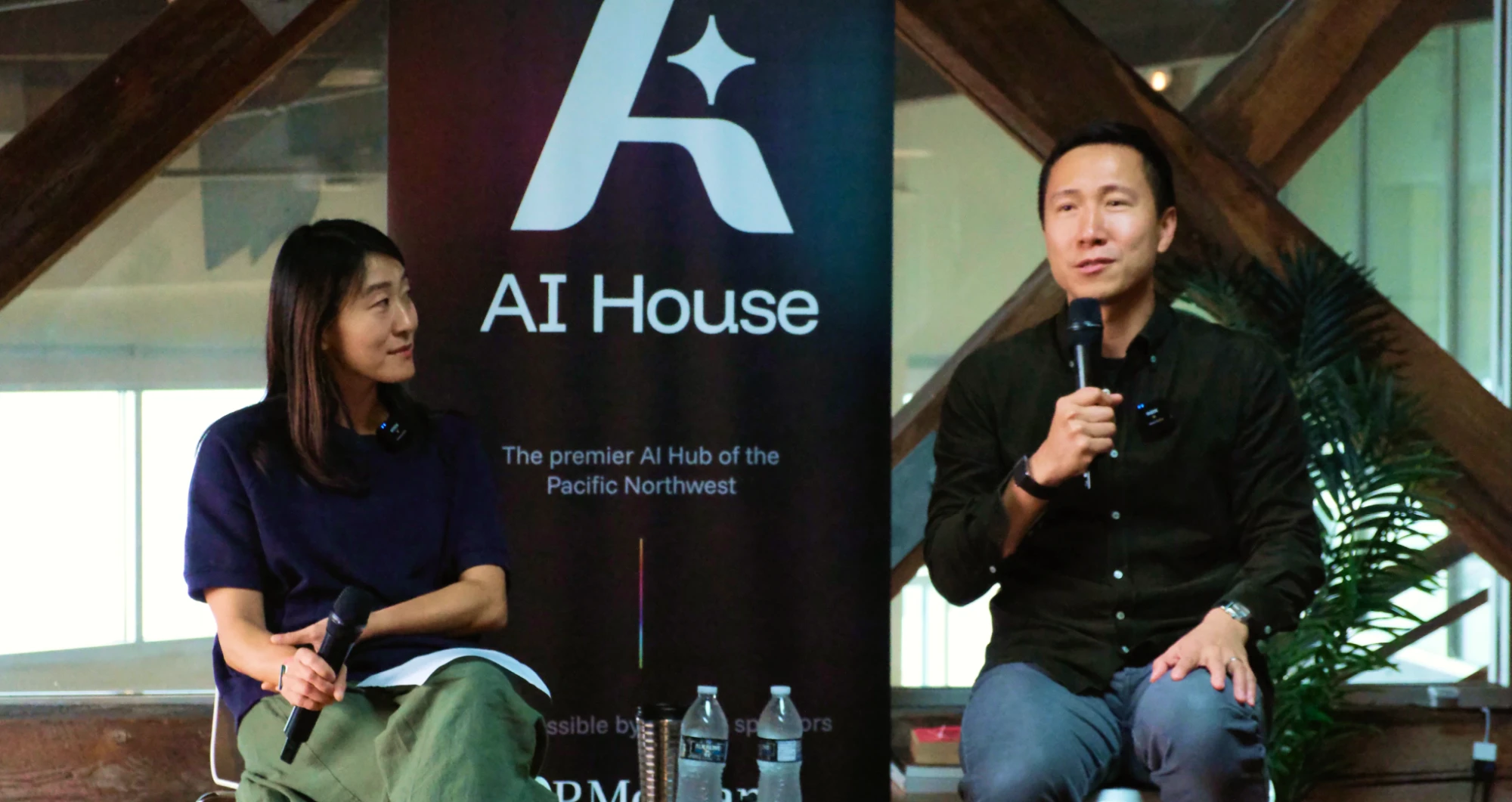
Jordan Wan is the founder and solo GP of CoFound, a pre-seed generalist fund. He joined us at AI House as part of our VC AMA series and talked about how he picks companies and what Seattle founders could do differently.
Traction isn’t the same as validation
Jordan believes traction gets too much weight at pre-seed and seed. At that stage, he said, the real question is whether the business should exist at all. Revenue, customer counts and acquisition efficiency are optimization metrics — not validation by themselves. They’re useful only insofar as they support the core premise. “What we’re looking for is for you to validate, in any way you can, the premise of the problem you’re going after,” he said.
Try to kill your own idea
If you go into customer discovery looking for a yes, you’ll probably find one. “In any market, there will be a few people that will say, ‘Yes, I want this,’” he said. The question is whether that’s nine out of 10 people or one out of 10.
His advice was to flip the approach. “Assume your business isn’t going to work,” he said. “How would you test that first?” Seeking out evidence against your idea lets you fail faster and move on to a better one. Jordan argued that a founder’s real opportunity cost isn’t a job at a big company. It’s the better idea they aren’t working on.
Put a dollar figure on the pain
For B2B companies, Jordan’s first exercise is often an ROI calculator built for the customer. Size the customer’s problem in dollars, then price your product as a share of it. “Solve big problems, win big prizes,” he said. As an example, he said a founder solving a $5 million problem for a small business might earn the right to charge $500,000. He added that if it’s hard to explain or quantify a problem, it may be harder to show that it’s a big one.
In a crowded market, make a different bet
Jordan steers clear of what he calls “level one” ideas — the problems everyone has personally felt. He made the point by asking the room who had ever looked for a job or hired someone. When everyone feels the pain, more startups build for it. Crowded markets aren’t off limits, but the bar for founder clarity is higher. “It’s really hard to know if you’re making a better bet,” he said, “but you certainly can know if you’re making a different bet.”
Seattle’s gap is audacity, not talent
Seattle isn’t short on talent, Jordan said, especially technical and product talent. “I think the real difference between most cities and SF is audacity.” In many markets, he said, smart founders overthink and start small, while the most ambitious founders raise the biggest rounds.
He also said “the interest rate on pre-seed capital has risen”: a company that takes three or four years to figure things out now faces hard questions when it goes back to investors.
Dream broader, not just bigger
Ambition isn’t only about scale, Jordan said. It’s also about range. Founders tend to rush toward problems they already know, which is why so many startups crowd into the same ideas. AI now makes it easy to spend two weeks getting informed about an unfamiliar industry. “Dream broader,” he said. “Explore the negative space that isn’t familiar to you.”
A good pilot tests willingness to pay
Asked about healthcare pilots, Jordan said a serious buyer will commit to something. That could be a deposit or a legal commitment to pay once the product is built. Prospects who won’t sign anything and want you to build first are usually risk-averse, not early adopters, and they can waste your time.
Choose your VC like a vendor
“Venture capital is a vendor. We’re a vendor to you as founders,” Jordan said. Big firms offer scale, and founders should ask whether they need that yet. He also warned against reshaping your beliefs around one investor’s feedback, including his own. Any single VC’s view may be idiosyncratic rather than representative.
